Opening a gourmet hamper is like opening a gift wrapped in anticipation—it promises an immediate moment of pure, delicious joy. But once the ribbon is cut and the beautiful arrangement is laid out, another kind of anxiety sets in: how long do these treats actually last? If you've ever stared at a perfect spread of artisan cheeses, delicate crackers, and cured meats, only to be confronted by an array of dates and labels, you know this feeling well. Figuring out when do gourmet food hampers expire after delivery? is often more complicated than enjoying the snacks themselves.
The short answer is that there is no single date. The lifespan depends entirely on the ingredients, how they are stored, and whether they require specialized care—like a mini-climate control system. However, by understanding the difference between various labels (Best By vs. Use By) and mastering simple storage techniques, you can ensure your curated bounty stays delicious for days, even weeks.
The Immediate Aftermath: Essential Steps Upon Unboxing
The moment the hamper arrives, treat it like a valuable piece of art—or at least, something that needs careful inspection. Before anyone reaches for the fancy chocolates or the rustic bread, take five minutes to perform an inventory and triage. This initial assessment is crucial because improper handling right out of the box can accelerate spoilage faster than anything else.
First, immediately check the temperature sensitivity of every item. Are there items (like soft cheeses or cured sausages) that were supposed to be kept cold? If they are sitting in a warm room, time is ticking. Second, organize by category: separate all refrigerated goods from pantry staples. This helps you build an immediate mini-fridge system for the hamper contents.
"The biggest challenge with gourmet food isn't sourcing quality ingredients; it's maintaining that quality moment-to-moment after they leave the professional kitchen." — Culinary Expert, Anonymous
This initial process is like a culinary detective job: you are gathering clues about temperature and time to keep your treats safe. Did you know that some items, like hard cheeses, actually last longer when stored slightly cool but not ice cold? Knowing these nuances helps you treat the hamper contents less like throwaways and more like perishable treasures.
Decoding the Labels: Understanding 'Best By' vs. Use By
One of the biggest sources of confusion—and perhaps the source of your question about when do gourmet food hampers expire after delivery?—is the conflicting language on product labels. Manufacturers use terminology that can feel like a secret code, and understanding it is key to safety and quality.
- "Best By" or "Best Before": This date refers primarily to peak quality, not necessarily absolute safety. The food might taste slightly less vibrant after this date, but if stored correctly (e.g., sealed in the pantry), it may still be perfectly edible for a period afterward. Think of this as the day the item achieves its perfect 'vibe.' "Use By": This is the critical safety marker. It indicates when consuming the food poses a risk to health due to bacterial growth. These dates should always be treated with respect, especially concerning items like deli meats or dairy products.
When in doubt, particularly if the item contains fresh protein or cream, always err on the side of caution and discard it. Remember that while some foods are robust enough to withstand a few days past their "Best By" date, others are ticking time bombs waiting for improper storage. Are you willing to risk a bad day over an overly ambitious charcuterie board?
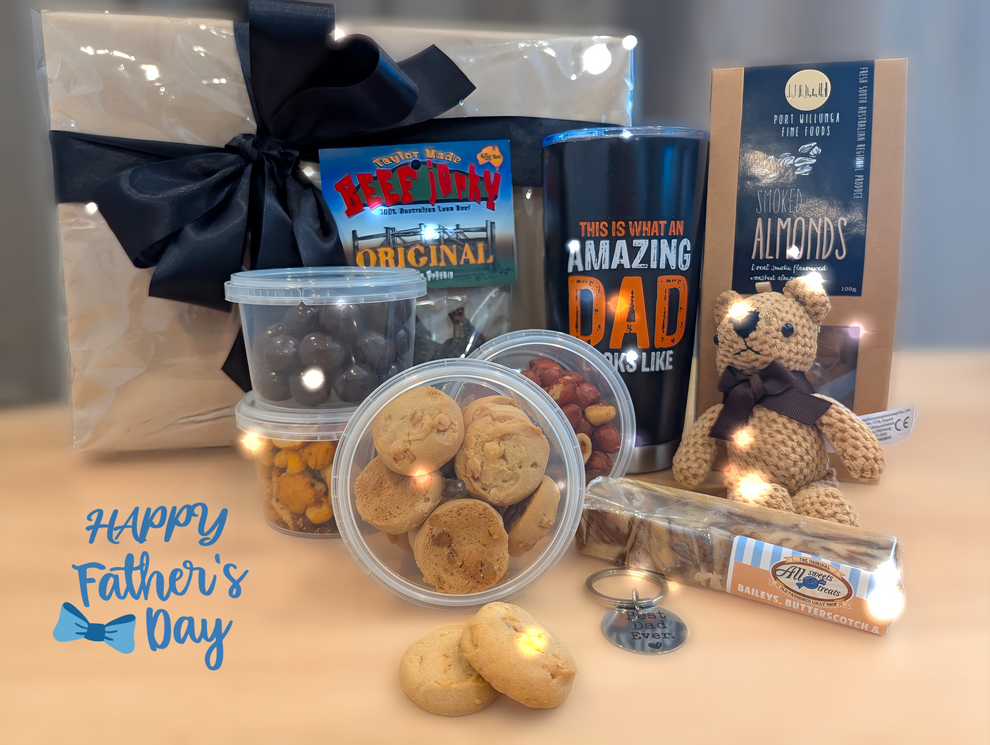
The Great Divide: Storing Perishables and Pantry Staples Safely
To keep your hamper's contents pristine, you must treat them like separate ecosystems. You cannot store everything together—it’s like trying to run a tropical rainforest next to the Antarctic coast; something has to give! Proper refrigeration is non-negotiable for several key components.
Perishable Goods (The Cold Zone)
These items demand immediate, cold storage and should ideally be grouped in one designated area of your refrigerator. This includes:

- Soft cheeses (Brie, goat cheese). Cured meats and pâtés. Cream-filled pastries or tarts.
Shelf-Stable Goods (The Cool Pantry)
These items are robust and benefit from cool, dark, dry storage, away from heat sources like the stove. This includes:
- Crackers and biscuits (must be kept airtight). Jams, olives, and preserved goods. High-quality chocolates (kept at room temperature, not refrigerated, which can cause "bloom").
A small anecdote comes to mind when I received a beautiful hamper full of artisan bread and soft cheese. If the bread was left out on the counter while the cheese was in the fridge, the moisture transfer meant the bread got stale faster than expected, and the cheese started developing unwanted surface mold. Separation is everything!
Recognizing the Red Flags: Signs Your Gourmet Treats Are Past Their Prime
Sometimes, even if a label hasn't technically expired, something tells you that this particular batch of delicacies has lost its luster. Learning to read your senses—sight, smell, and touch—is just as important as Father's Day Hampers for dads reading dates.
Keep an eye out for these warning signs:
- Smell: Any sour or distinctly "off" odor is the body's alarm system going off. Fresh food smells nutty, sweet, or earthy; spoiled food smells metallic or acidic. Sight: Notice discoloration that goes beyond natural aging (e.g., bright green mold on a surface cheese, or excessive sliminess). A film of white or gray mold is common and often harmless on hard cheeses, but if it's accompanied by a foul smell, discard the whole item. Touch/Texture: If crackers feel damp and soft, they are absorbing moisture from other items—a sign that environmental control has failed.
Keeping the Celebration Going: Planning for Future Hamper Enjoyment
The goal of a gourmet hamper is not just one perfect afternoon; it's sustained enjoyment over time. To extend the joy and ensure maximum flavor throughout the week, think about smart usage strategies. The best method involves creating "menu pairings" rather than simply grazing.
Try building meals around the items:
- Dinner: Use cured meats and cheeses as a centerpiece for an antipasto board with crusty bread. Lunch Prep: Pack hard cheese chunks and crackers into individual lunch containers for workdays. Breakfast/Brunch: Some hampers include jams or honey; pair these immediately with fresh fruit from your garden, not just the provided scones.
By following structured storage rules and treating every item with respect, you can drastically reduce the chances of waste. If you plan on receiving high-value goods frequently, consider having a dedicated, small refrigeration drawer reserved only for hamper contents until they are consumed.
Curating Your Next Culinary Adventure
The longevity of your gourmet food hampers isn't just about following rules; it's about adopting a mindset of mindful consumption. When you receive such a curated box of delights, view it not as an end product, but as the start of several wonderful meals and moments of connection. By understanding these simple principles—prioritizing cold storage, respecting label language, and using your senses—you transform from being merely a consumer into a confident curator of flavor. So, next time that beautiful box arrives, don't panic over the dates; take a deep breath, execute your triage plan, and get ready to savor every single bite!